
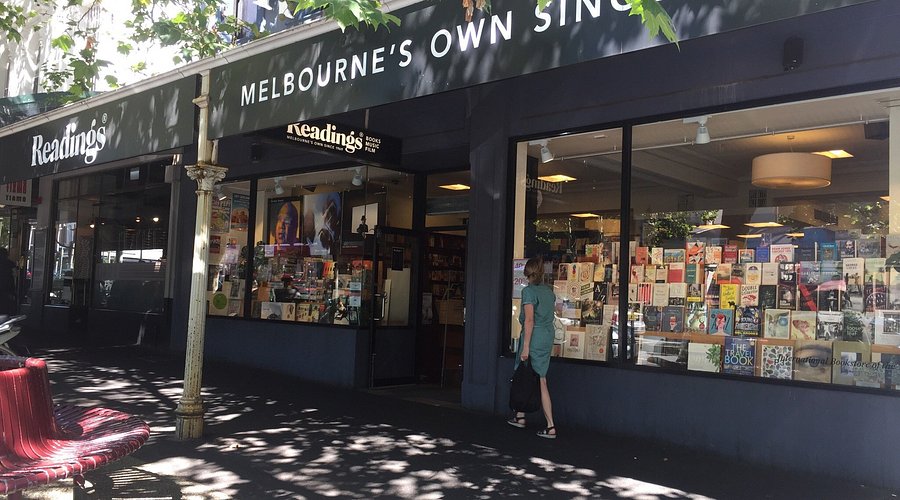
Australia’s book market stands out for its stability, strong reading culture, and ability to blend global influences with a distinctly local identity. Despite its relatively small population, the country maintains a vibrant publishing ecosystem supported by engaged readers, dynamic retailers, and a growing digital landscape.
Market overview
Australia’s publishing sector is shaped by several defining characteristics:
- consistent demand for print
- strong performance in children’s and YA literature
- steady growth in digital formats
- a competitive mix of independent and chain retailers
- increasing visibility for local and Indigenous authors
High literacy levels, robust library networks, and cultural investment contribute to a healthy market environment.
Key trends shaping the Australian book market
Print remains the preferred format
Physical books continue to dominate sales. Independent bookstores, national chains like Dymocks and QBD, supermarkets, and libraries all play a crucial role in sustaining print demand. The tactile experience and the importance of books as gifts reinforce this preference.
Digital formats continue to grow
Ebooks and audiobooks are expanding steadily. Library apps such as BorrowBox and Libby are major drivers of digital adoption, while subscription platforms encourage more frequent reading and listening.
Children’s and YA literature as a growth engine
Australia has a long tradition of excellence in children’s publishing. Strong school demand, high‑quality illustration, and internationally recognized local authors keep this segment thriving. YA fiction also benefits from global trends and social media communities.
Rising prominence of Indigenous voices
First Nations authors are gaining visibility across genres. Publishers and cultural institutions are investing in Indigenous storytelling, bilingual editions, and community‑driven initiatives, enriching the national literary landscape.
A diversified retail ecosystem
The market combines:
- independent bookstores with strong community ties
- national chains
- online retailers like Booktopia and Amazon
- hybrid models mixing online and in‑store services
Click‑and‑collect and local delivery have become standard expectations.
Strong global connections
As an English‑language market, Australia is closely linked to UK and US publishing cycles. International bestsellers perform well, but local publishers maintain a strong identity and invest heavily in homegrown talent.
Challenges for the industry
- high production and distribution costs due to geographic distance
- competition from global online retailers
- pressure on pricing and margins
- balancing international imports with local voices
- sustainability concerns in printing and logistics
Innovation and strategic adaptation are essential to remain competitive.
Opportunities for growth
Digital expansion
More investment in ebooks, audiobooks, and direct‑to‑consumer platforms can unlock new revenue streams.
Cross‑media adaptations
Australian literary IP is increasingly adapted into film, TV, podcasts, and educational content, extending the lifespan of stories.
Support for diverse voices
Readers are seeking narratives that reflect Australia’s multicultural reality.
Sustainable production
Eco‑friendly printing and shorter supply chains align with consumer expectations.
Conclusion
Australia’s book market is a dynamic blend of tradition and innovation. Print remains strong, digital formats continue to grow, and Indigenous and multicultural voices are reshaping the literary landscape. With a committed readership and expanding cross‑media opportunities, the sector is well positioned for continued evolution. The future belongs to publishers and authors who embrace diversity, technology, and Australia’s unique cultural identity.
#AustralianBookMarket, #PublishingTrends, #BooksInAustralia



Do you want to launch your own portal for printed and digital books, manage it directly without relying on third parties, and operate under your own brand? Bookset is your solution: fast, affordable, and fully customizable for your company or publishing house. 👉 bookset.app