
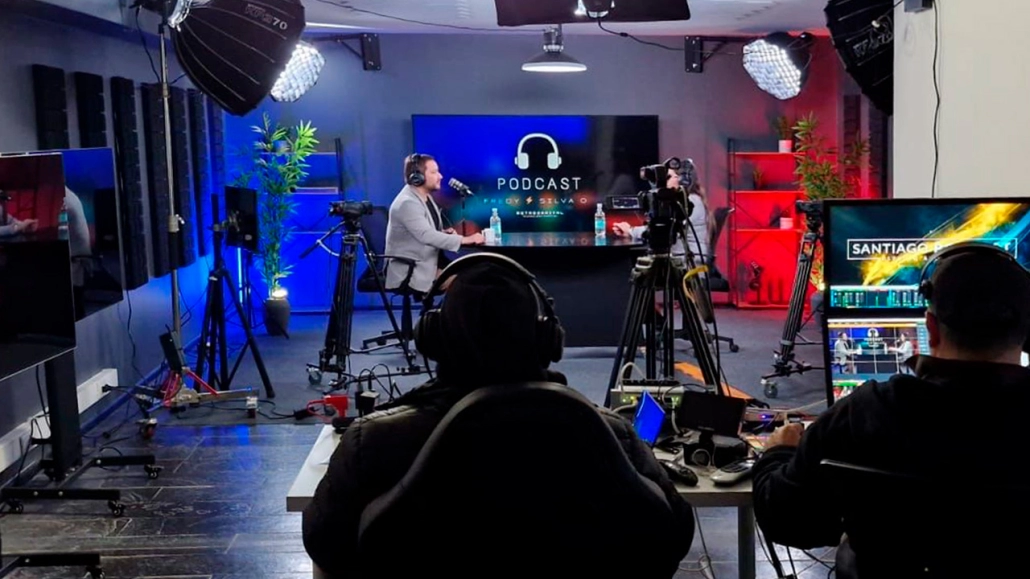
Video podcasts have evolved into one of the most influential formats in contemporary digital communication. They merge the depth and intimacy of traditional audio podcasting with the visual impact of video, creating a medium that is more engaging, discoverable, and strategically versatile. As platforms like YouTube, Spotify, TikTok, and Twitch continue to expand their support for long‑form and short‑form video, the format has become a cornerstone for creators, educators, brands, and media organizations.
Definition and core characteristics
A video podcast is a podcast that incorporates visual elements, ranging from a simple static camera setup to multi‑camera studio productions, animated sequences, or documentary‑style footage. The defining feature remains the spoken content—conversation, narration, or interview—enhanced by visual storytelling.
Common formats include:
- Studio‑recorded conversations
- Remote interviews captured via webcam
- Narrative or documentary episodes with supporting visuals
- Hybrid productions combining graphics, subtitles, and motion design
- Full‑length episodes paired with short clips optimized for social platforms
Why video podcasts are gaining prominence
Higher audience engagement
Visual presence strengthens emotional connection, increases retention, and enhances the sense of authenticity. Body language, facial expressions, and visual cues enrich the narrative.
Improved discoverability
Video platforms offer powerful recommendation algorithms. A single episode can generate multiple entry points through clips, highlights, and short‑form content.
Expanded monetization opportunities
Creators and organizations can diversify revenue streams through:
- Video advertising
- Sponsorships and branded integrations
- Memberships and exclusive content
- Merchandising
- Multi‑platform distribution strategies
Format versatility
A single recording session can produce:
- A full‑length video episode
- An audio‑only version
- Short clips for TikTok, Reels, and YouTube Shorts
- Quote cards and promotional assets
Alignment with audience behavior
Younger audiences increasingly consume spoken‑word content in video form, even when audio remains the primary focus.
Primary video podcast formats
Conversational
Two or more hosts discussing topics in a controlled studio environment. Valued for authenticity and simplicity.
Interview‑based
A host engages with guests—experts, artists, creators, or public figures. Ideal for thought leadership and audience expansion.
Narrative or documentary
Episodes structured around storytelling, research, or thematic exploration, supported by images, graphics, or archival footage.
Remote
Recorded through video conferencing tools. Cost‑effective, flexible, and accessible for international guests.
Hybrid
Combines studio footage, on‑location segments, animations, and visual enhancements. Closest to traditional broadcast production.
Strategic advantages for creators and organizations
Community building
Visual presence humanizes hosts and strengthens audience loyalty.
Organic reach
Short video excerpts perform exceptionally well on social platforms, driving traffic to full episodes.
Brand positioning
A polished video podcast reinforces credibility, visual identity, and editorial coherence.
Accessibility
Subtitles, visual aids, and on‑screen references broaden the audience and improve comprehension.
Challenges and considerations
Higher production requirements
Video demands cameras, lighting, set design, and more complex editing workflows.
Increased costs
Equipment, studio space, and post‑production resources raise the investment threshold.
Time‑intensive editing
Video editing requires more precision and longer turnaround times than audio‑only formats.
Competitive landscape
The rapid growth of the format requires differentiation through quality, concept, or niche focus.
Trends shaping the future of video podcasts (2025–2026)
- Vertical‑first distribution, with full episodes in horizontal format and promotional clips in vertical.
- AI‑driven editing, including automated clipping, subtitling, and content repurposing.
- Interactive podcasting, integrating polls, live chat, and audience participation.
- Multi‑platform ecosystems, where each episode lives simultaneously across YouTube, Spotify, TikTok, and proprietary platforms.
- Premium production values, approaching cinematic aesthetics in lighting, sound, and set design.
Conclusion
Video podcasts represent a powerful evolution of the podcasting medium. By combining narrative depth with visual presence, they offer a richer, more dynamic experience that aligns with contemporary consumption habits. For creators, brands, and institutions, the format provides a strategic opportunity to expand reach, strengthen identity, and build meaningful communities.
📣 Thinking about integrating conversational AI into your reading or content platform? Bookset allows you to combine technology, accessibility, and advanced digital experiences for your users.
👉 Discover more at www.bookset.app
#VideoPodcast #DigitalContentStrategy #PodcastingTrends #MediaInnovation #CreatorEconomy