
books rights

Primary Rights in Book Publishing

When you sign a publishing agreement, the first thing you’re likely to encounter is the grant of primary rights—the foundational rights that determine how your book is published and distributed. Understanding these rights is essential for protecting your work and negotiating smart. 🔑 What Are Primary Rights? Primary rights refer to the core publishing rights …

Narrator Agreements and Voice Licensing in Audiobooks

Behind every compelling audiobook is a voice that brings the story to life. But what rights and responsibilities come with that voice? For authors, publishers, and narrators, understanding the legal and creative aspects of voice licensing is essential to ensure fair use, protection, and long-term flexibility. What Is Voice Licensing? Voice licensing refers to the …

Understanding Audiobook Rights

As audiobooks continue to surge in popularity, the rights surrounding their production and distribution have become a critical part of the publishing landscape. Whether you’re an author, narrator, or producer, knowing how audiobook rights work is essential to protect your work and maximize its reach. What Are Audiobook Rights? Audiobook rights are a subset of …

The Right to Sell Books Abroad

The Right to Sell Books Abroad: How Foreign Rights Expand Publishing Potential Selling books internationally isn’t just a dream—it’s a strategic opportunity. Whether you’re a publisher, agent, or author, understanding how foreign rights work can unlock new markets, revenue streams, and cultural impact. What Are Foreign Rights? Foreign rights refer to the legal permission to …

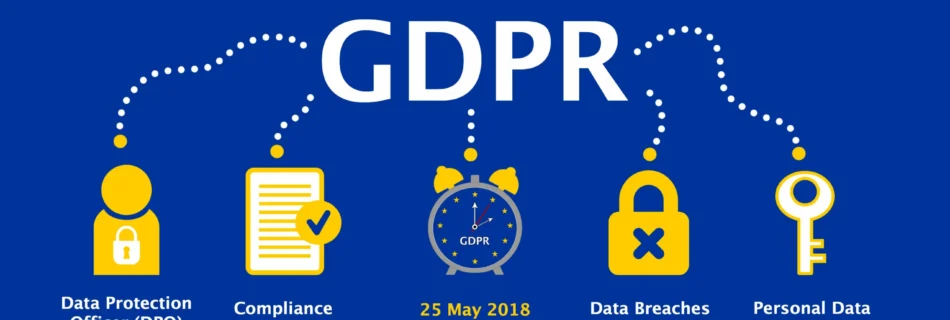
GDPR and Data Privacy: What Businesses Need to Know

In an era where personal data is more valuable than ever, General Data Protection Regulation (GDPR) has become a crucial framework for ensuring data security, transparency, and user rights. Since its introduction in 2018, GDPR has reshaped global privacy standards, requiring businesses to adopt stricter compliance measures. But why does GDPR matter so much, and …

Book Rights Management: Protecting Authors and Publishers in the Digital Age

In the ever-evolving publishing industry, book rights management plays a crucial role in safeguarding intellectual property, ensuring fair compensation, and expanding the reach of literary works. Whether you’re an author, publisher, or literary agent, understanding rights management is essential for navigating contracts, licensing, and distribution. What is Book Rights Management? Book rights management refers to …

How agents are navigating rights, platforms, and publishing innovation in 2025

Literary agents have always played a central role in the publishing industry—championing authors, securing publishing deals, and managing rights across regions and languages. But in 2025, the landscape they operate in has transformed. We are no longer in a world of just print and traditional publishers. We’re in a world of multi-format releases, digital-first imprints, …

Book Rights in the Digital Publishing Era: What You Need to Know

Why managing rights is a strategic necessity in 2025 and beyond In the traditional publishing world, rights management was often seen as a legal necessity—important, but not always top of mind. Today, in the age of ebooks, audiobooks, global markets, and on-demand consumption, book rights have become a central pillar of publishing strategy. Whether you’re …

Digital Rights Management (DRM) for Ebooks: What You Need to Know

Protect your content without sacrificing the reader experience Digital publishing opens up incredible opportunities—but also raises concerns about piracy, unauthorized distribution, and revenue loss. That’s where Digital Rights Management (DRM) comes in. For publishers, authors, and distributors, understanding how DRM works—and when and how to apply it—is key to maintaining control without limiting access. What …

European union

New Regulation on Digital Books in Europe: Impact and Opportunities.

The digital publishing ecosystem in Europe is undergoing a major regulatory transformation. As of 2024, several EU member states have begun implementing updated legal frameworks aimed at balancing technological innovation with the protection of the rights of authors, publishers, and readers. This new regulation directly affects how digital books are produced, distributed, and marketed across …